001 Sep
Weekly Ink Issue 001 cover
The Week in 30 Seconds
AI & Tech
Robots are moving from one-off demos toward mass production.
World
China is becoming a source of new drugs, not just cheap manufacturing.
Science
A fresh 222-metre crater appeared on the Moon.
World
China's oil dependence is pulling it deeper into Middle Eastern diplomacy.
Medicine
37,000 AI agents worked together on a lung-cancer drug direction.
Under Radar
Indonesia's wildfire haze is affecting millions and crossing borders.
AI & Technology

Robots making robots is no longer quite science fiction

A new factory in China is designed to produce more than 10,000 humanoid robots a year — roughly one every ten minutes. And some of the robots are helping build the robots.
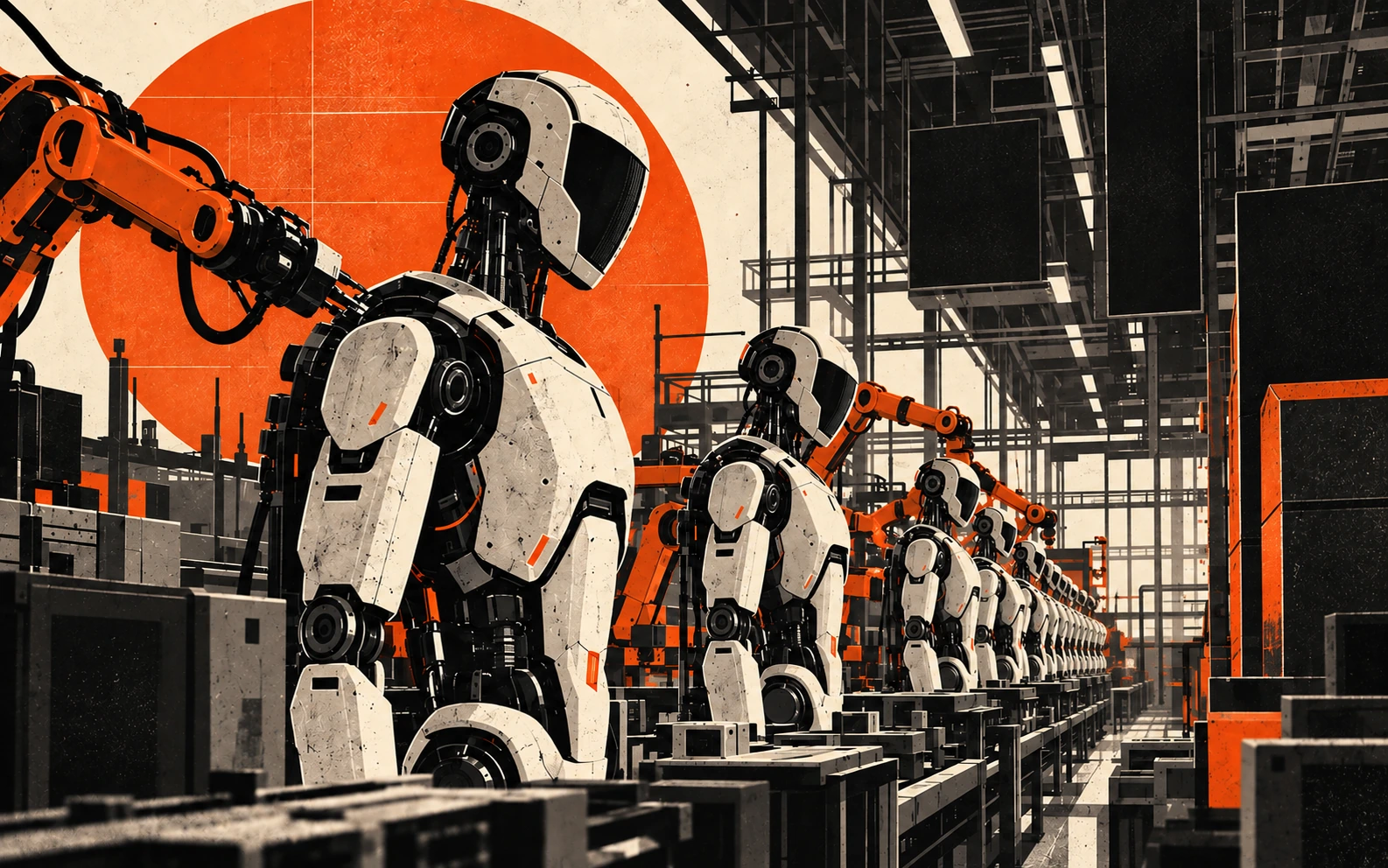
Robots assembling humanoid robots in a factory
Weekly Ink illustration.
Continued

Robots making robots is no longer quite science fiction

China’s UBTECH has opened a factory designed to produce more than 10,000 humanoid and service robots a year — roughly one finished robot every ten minutes.

And there is a nice twist: some of the robots are already helping build the robots.

Inside the 14,000-square-metre factory in Liuzhou, UBTECH’s machines move components and handle parts of the production process alongside conventional automation and human workers.

No, the robots are not autonomously reproducing themselves. Humans still designed them, built the factory, run the production system and control what happens inside it.

What is changing is less cinematic — and probably more important.

Humanoid robots are moving from one-off demonstrations to manufacturing at industrial scale.

Building one impressive robot is an engineering achievement. Building thousands of nearly identical ones means solving a different set of problems: supply chains, assembly time, reliability, quality control and cost.

UBTECH’s 10,000 figure is the factory’s designed annual capacity, not proof that it is already producing that many. The company still has to show that it can maintain the pace — and that enough customers actually want the machines.

But this is the stage where a technology starts becoming less interesting to watch and more interesting to count.

World

China is quietly becoming part of America's medicine cabinet

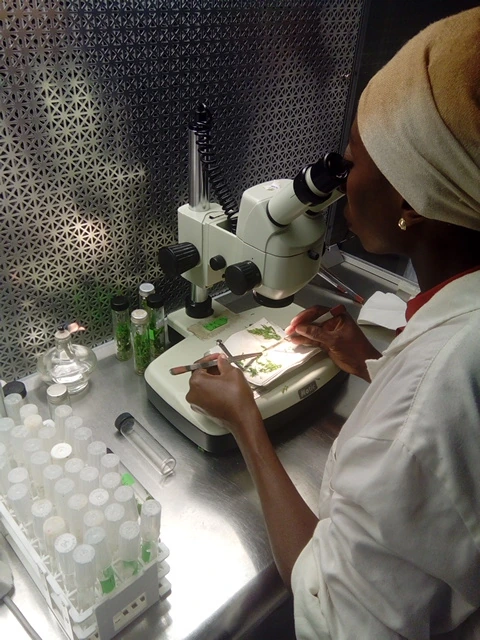
Biotechnology laboratory
Illustrative biotechnology laboratory · CC BY-SA 4.0.

Here's a China story that isn't about chips, EVs or TikTok.

American pharmaceutical companies are increasingly licensing drugs invented by Chinese biotech companies. Deals involving Chinese biotechs were worth about $115 billion in 2025, and almost half of the drugs U.S. companies licensed from abroad last year involved Chinese firms.

Twenty years ago, China was largely a place Western pharma companies went to manufacture things cheaply. Now Western pharma increasingly goes there to buy innovation.

Why it matters is bigger than medicine. We're seeing the same pattern in EVs, batteries and increasingly robotics: China moving from factory to inventor.

And unlike Chinese cars, banning Chinese medicines isn't particularly attractive when one of them might cure your cancer.

Watch this: whether biotech becomes another industry where the argument changes from "How do we keep China out?" to "How dependent are we already?"

Science & Discovery

Somebody punched a 222-metre hole in the Moon

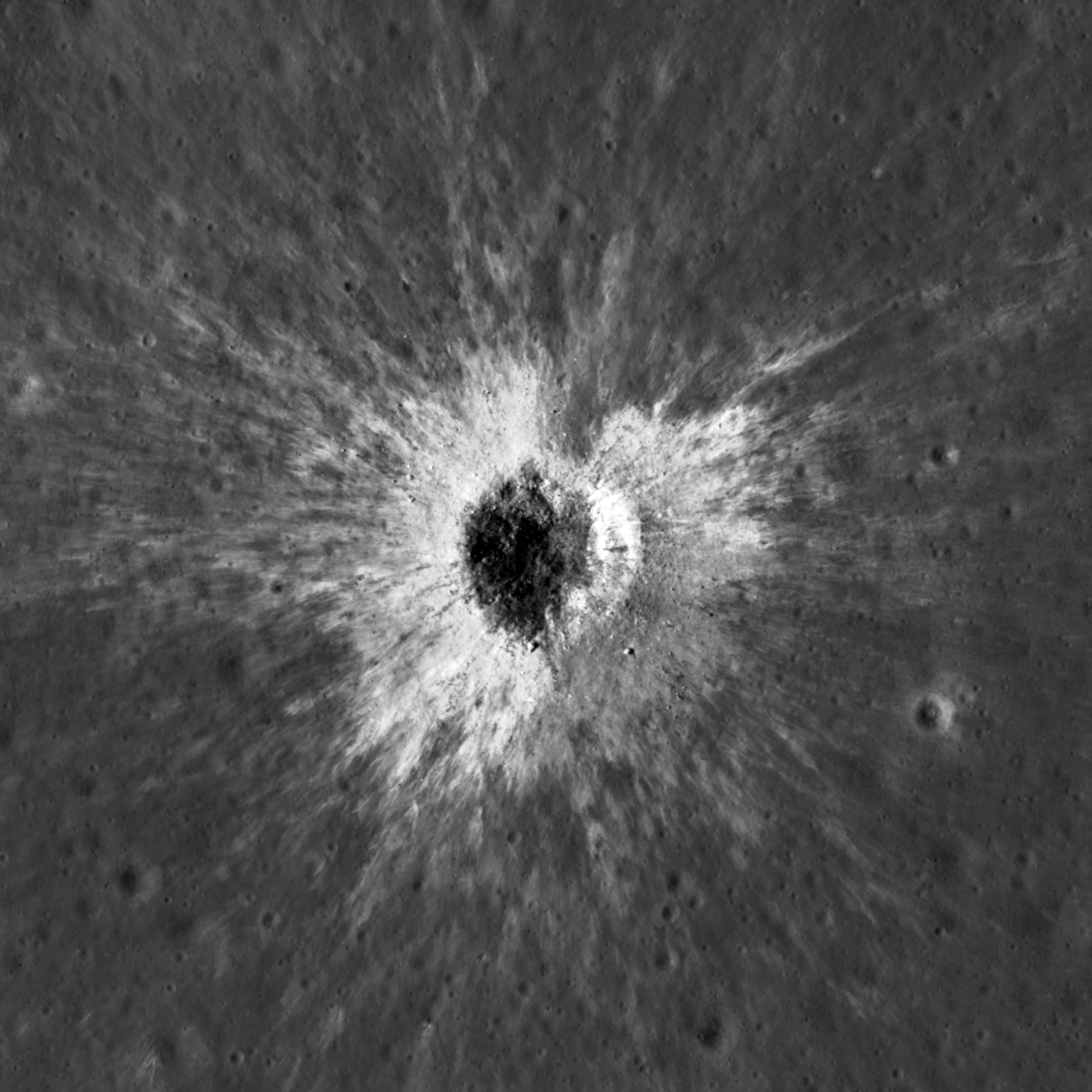
McGetchin crater photographed by NASA's Lunar Reconnaissance Orbiter
McGetchin crater · NASA/LRO · public domain.

NASA's Lunar Reconnaissance Orbiter found a crater that didn't exist before 2024.

McGetchin crater is about 222 metres wide and 43 metres deep. The impact disturbed terrain more than 100 kilometres away. Events this large are estimated to occur only about once every 132 years.

Today, that is a fascinating thing for a spacecraft to photograph.

But we are planning Moon bases, landing pads, habitats and equipment designed to stay there for years. An impact capable of disturbing the ground 100 kilometres away suddenly stops being just an astronomy fact and becomes an engineering problem.

The Moon hasn't become more dangerous.

We're just finally planning to leave expensive things there long enough for the danger to matter.

World

China is being dragged into Middle Eastern diplomacy by its own oil dependency

China has spent years trying to trade across the Middle East without getting deeply involved in its conflicts. That becomes harder when those conflicts threaten the ships carrying your energy.

Saudi Arabia recently asked Beijing to help pressure Iran over Houthi attacks on Saudi oil infrastructure. China then urged Tehran to help restrain the group.

Once your economy depends heavily enough on a region staying stable, diplomacy stops being optional.

Markets

Europe solved Russian gas. It didn’t solve gas.

Europe rapidly cut its dependence on Russian pipeline gas after the invasion of Ukraine and replaced much of it with LNG from elsewhere.

The U.S. now supplies about 22% of European gas demand. That is safer than relying so heavily on one country, but Europe still needs huge amounts of imported gas.

It fixed one dependency. It did not eliminate dependency.

Medicine

One patient got a drug designed around his exact form of ALS

One man has an exceptionally rare inherited form of ALS caused by a mutation in CHCHD10. Researchers designed an RNA drug specifically around that mutation.

A year after treatment began, a marker of nerve damage had fallen into the normal range. Movement tests improved and breathing stayed stable.

It is one patient, not a cure. The striking part is how narrow personalized medicine can now become.

Human Past

Scientists burned fake Roman scrolls to help read the real ones

Researchers made papyrus scrolls, wrote on them with historically plausible inks, rolled them up and deliberately carbonised them to mimic the Herculaneum scrolls buried by Vesuvius.

Tiny amounts of lead in the ink produce a strong X-ray signal, which could help identify ancient scrolls that are easiest to read through CT scanning and virtual unrolling.

And yes, the experiment involved writing Star Wars onto papyrus before burning it.

Medicine

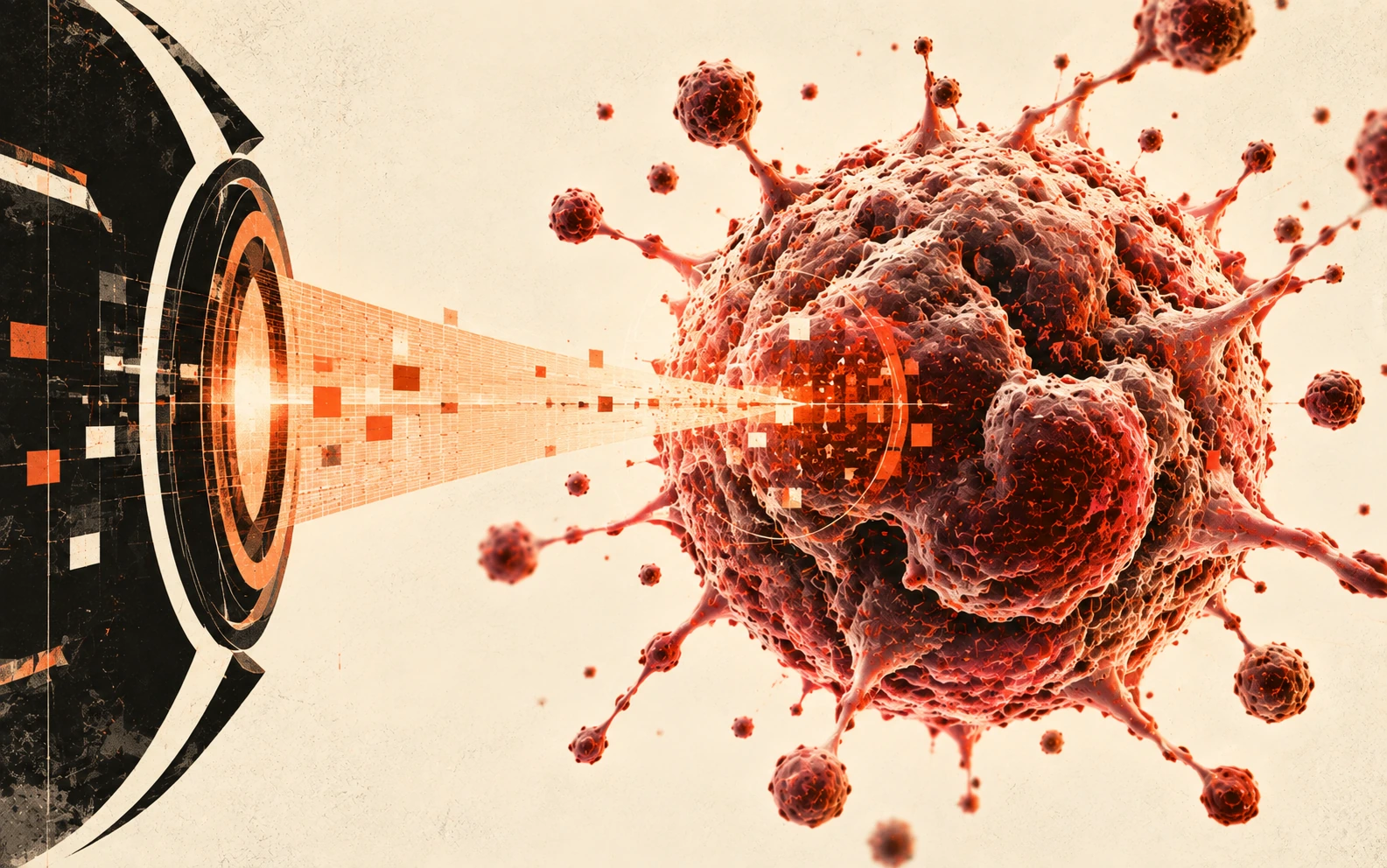
37,000 AI scientists went looking for a lung-cancer drug

Weekly Ink illustration of an analogue scanner examining a cancer cell
Weekly Ink illustration.

Researchers built a virtual biotech company containing as many as 37,000 AI agents.

Different agents were given different jobs: analysing clinical trials, searching for drug targets and coordinating the work like employees inside a pharmaceutical company.

Then the system was asked to investigate a protein called CD276, which is found heavily in some lung tumours.

The AI team proposed targeting it with an antibody carrying an anticancer drug. Human researchers judged the idea promising, although it has not yet been validated in experiments or clinical trials.

So this is not an AI cure for lung cancer.

The interesting part is the organisation: thousands of artificial specialists working together on one medical problem.

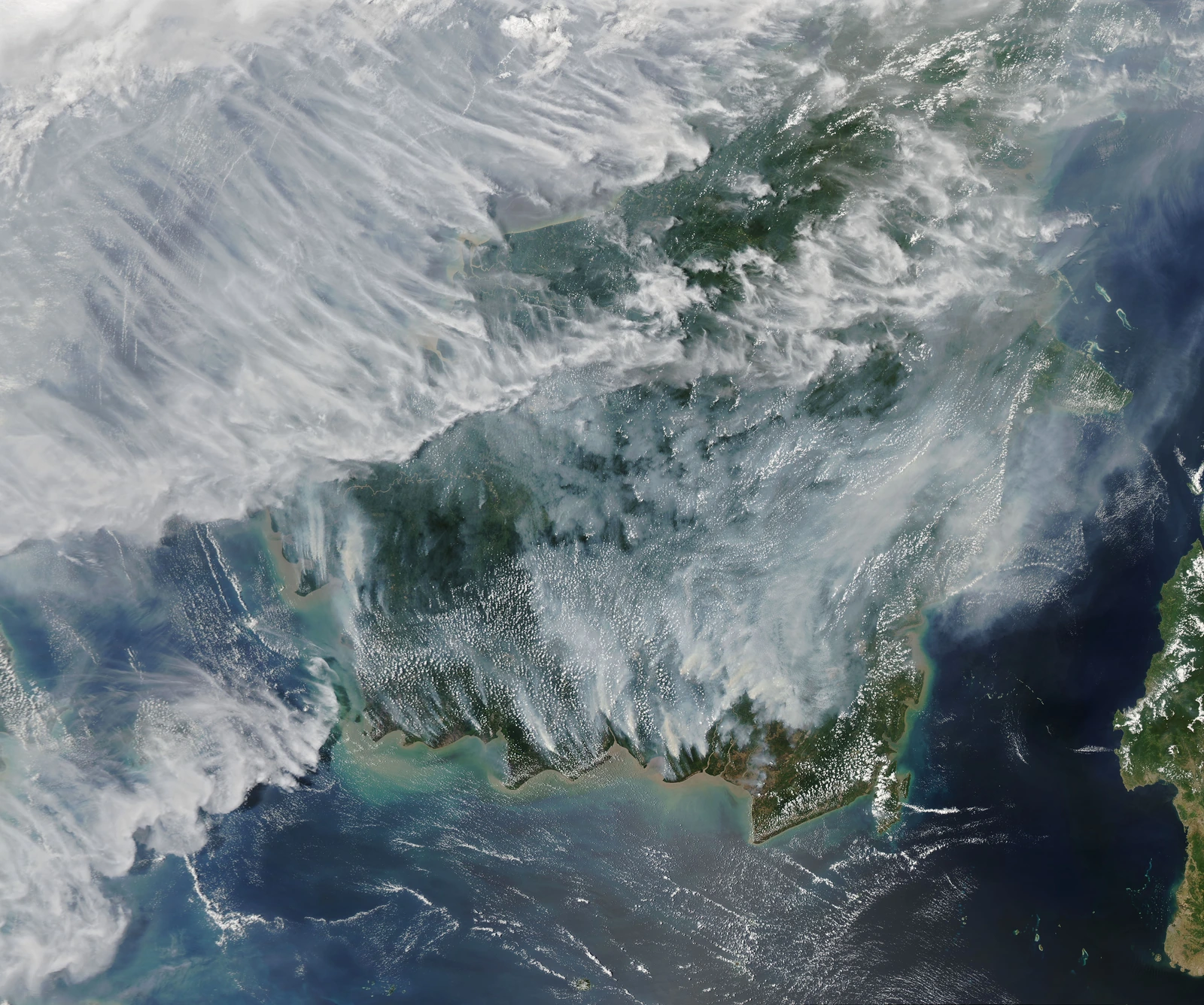
NASA satellite image of wildfire haze over Borneo
Historical NASA satellite haze image, Borneo (2019) · public domain.
Under the Radar

Indonesia is having its worst wildfire haze in years

Indonesia is having its most intense wildfire season in 11 years, and the smoke has become a public-health problem far beyond the flames.

More than 12.5 million people across seven provinces have been exposed to haze from fires burning through forests and peatland, especially on Sumatra and Borneo.

By September 9, the number of wildfire-related respiratory illnesses recorded by Indonesia’s health ministry had jumped to 113,336 — more than double the 50,891 reported just eight days earlier.

In West Kalimantan, volunteers have been taking oxygen cylinders directly to residents and firefighters struggling to breathe. Nearly a million masks and hundreds of oxygen concentrators have also been sent to affected areas.

The fires are being made much harder to control by extreme heat and drought linked to a powerful El Niño. Peat fires are particularly nasty: they can keep burning underground even when the flames on the surface appear to be gone.

Indonesia has deployed more than 50 aircraft for water bombing and cloud seeding, while Japan has sent Chinook helicopters to help.

And the smoke does not respect borders.

Haze has drifted into Malaysia and Singapore, pushing air quality into unhealthy territory. In parts of Sarawak, Malaysia even declared an emergency after pollution reached hazardous levels.

For people in this part of the world, “haze season” can sound almost routine.

More than 12 million people breathing wildfire smoke is not routine.

Archaeology & Human Past

We finally have Denisovan life, not just Denisovan DNA

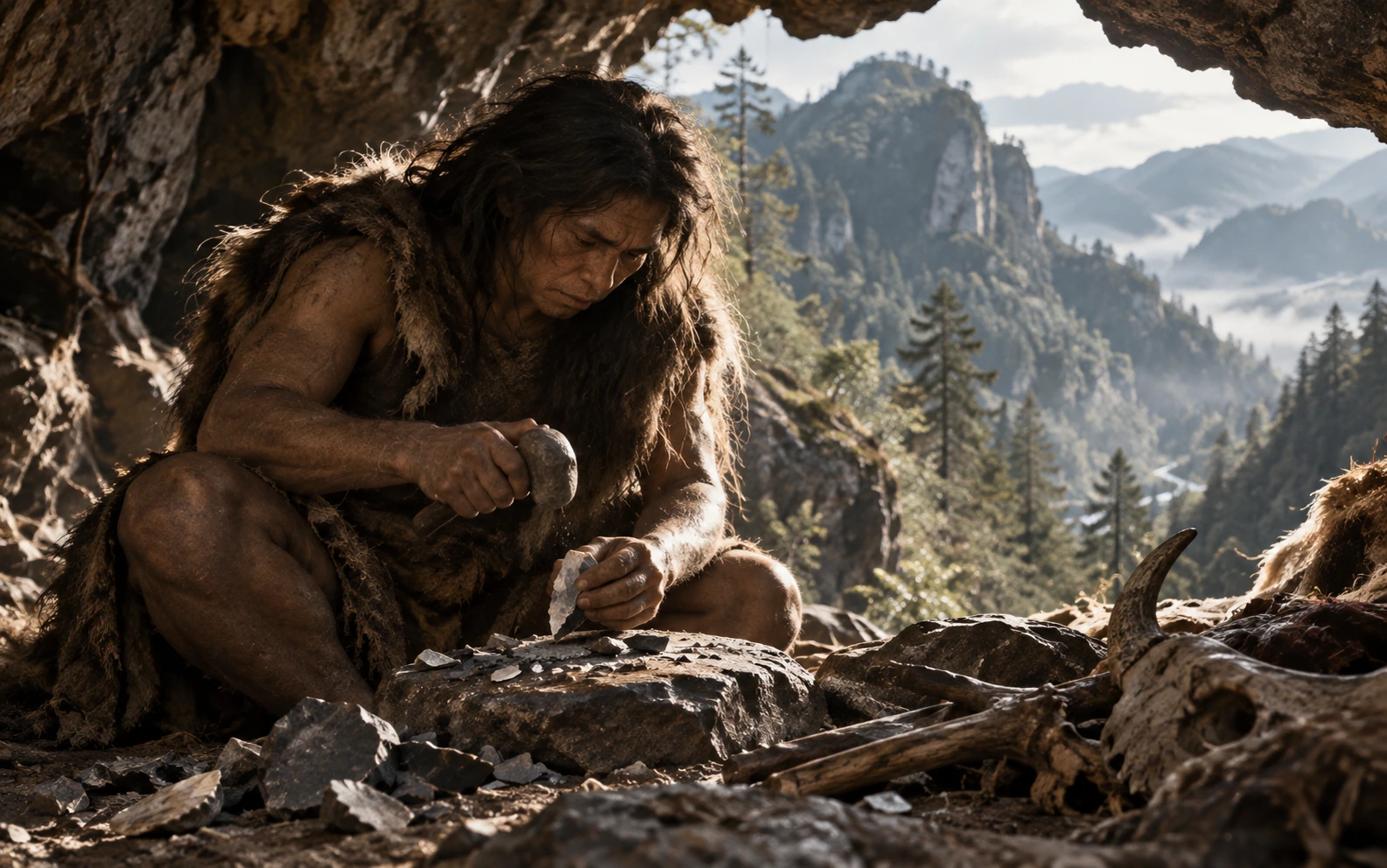
Artist reconstruction of Denisovan life at Bianfu Cave
Artist reconstruction of Denisovan life at Bianfu Cave, based on current fossil and archaeological evidence.

At Bianfu Cave in southwestern China, researchers identified Denisovan fossils dating to roughly 167,000–134,000 years ago, including teeth, skull fragments and the first confirmed Denisovan forearm bone.

The cave also contained animal remains with butchery marks and more than 1,300 tools.

For years Denisovans were basically:

DNA + a finger + some teeth + mystery.

Now we're beginning to see how they actually lived.

Weekly Ink illustration of fictional obsolete software preserved as a museum artifact
IDEA OF THE WEEK

Build a Dead Software Museum

Apps disappear constantly. Most leave behind a few screenshots, an old forum post and somebody saying, “I loved that thing.”

Physical objects can survive for centuries. Software can disappear in a few years.

Servers shut down. Logins stop working. App-store pages vanish. Companies disappear. Sometimes even the screenshots are eventually lost.

Yet old software is part of our culture too: early social networks, strange productivity tools, forgotten websites, mobile apps and services millions of people once used every day.

A Dead Software Museum could preserve the good ones.

Each product gets a simple page showing what it looked like, what it did, why people liked it and why it disappeared.

Why Now

Software disappears quickly. When the servers go offline, sometimes the product effectively disappears with them.

Preserving it is now easy. Screenshots, videos and archived pages are enough to tell most of the story.

Digital nostalgia is growing. We preserve old consoles and computers. The software deserves attention too.

Ridiculously Small MVP

Pick 10 dead apps. Give each one a simple page:
1 screenshot · what it did · why people loved it · why it disappeared
Put the 10 pages on a simple website. Done.

Tools

Lovable, Replit or Figma Make. Keep the first version static. Add a database or search only if people actually use it.

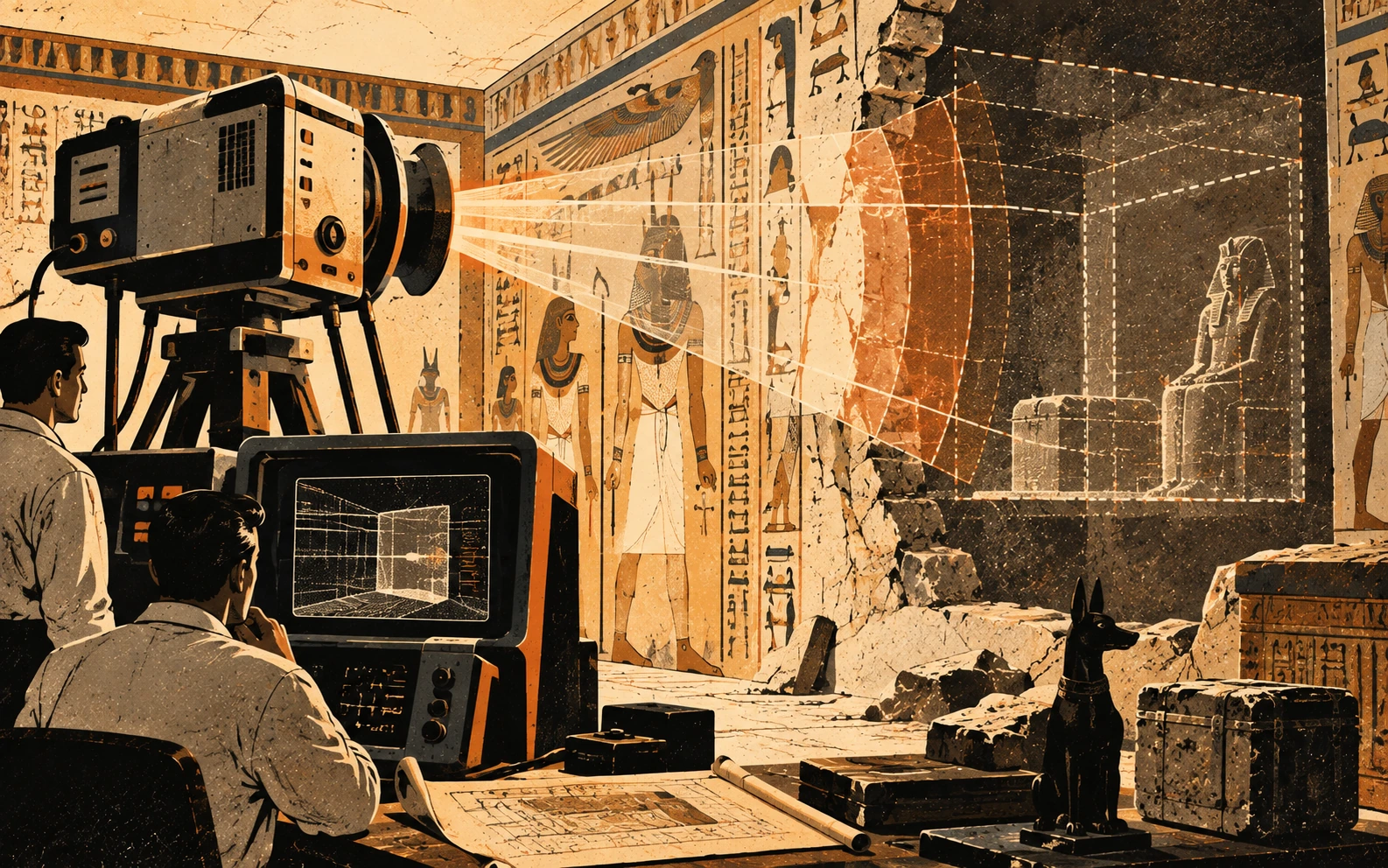
Weekly Ink retro-futurist illustration of scientists scanning through a wall in Tutankhamun’s tomb
TINFOIL HAT

There may actually be hidden rooms behind Tutankhamun’s tomb

Ten years after the first hidden-room theory became tangled in contradictory radar scans, the mystery is back. A new 2026 geophysical study combines fresh ground-penetrating radar with microgravity measurements around KV62 — and the researchers say the pattern could fit a hidden complex of corridors and rooms.

That does not mean Nefertiti is behind the wall. Independent geophysicists have called the new evidence intriguing but say there is still not enough data for a definitive conclusion.

What we know

Earlier surveys disagreed. A major 2018 radar study found no large empty chambers immediately behind the burial room. The new team says fresh radar plus more than 1,200 microgravity readings reveal low-density, right-angled anomalies around the tomb that deserve another look.

What the claim is

The researchers propose a roughly two-metre-wide, rubble-filled corridor leading away from the burial chamber and possible rooms beyond the north and west walls. One hypothesis is that KV62 was once part of a larger royal tomb — potentially connected to Nefertiti — but that remains unconfirmed.

What could settle it

Egyptian authorities would have to approve a minimally invasive test. A tiny camera entering a carefully chosen point could show whether the anomalies are geology, packed rubble or constructed spaces.

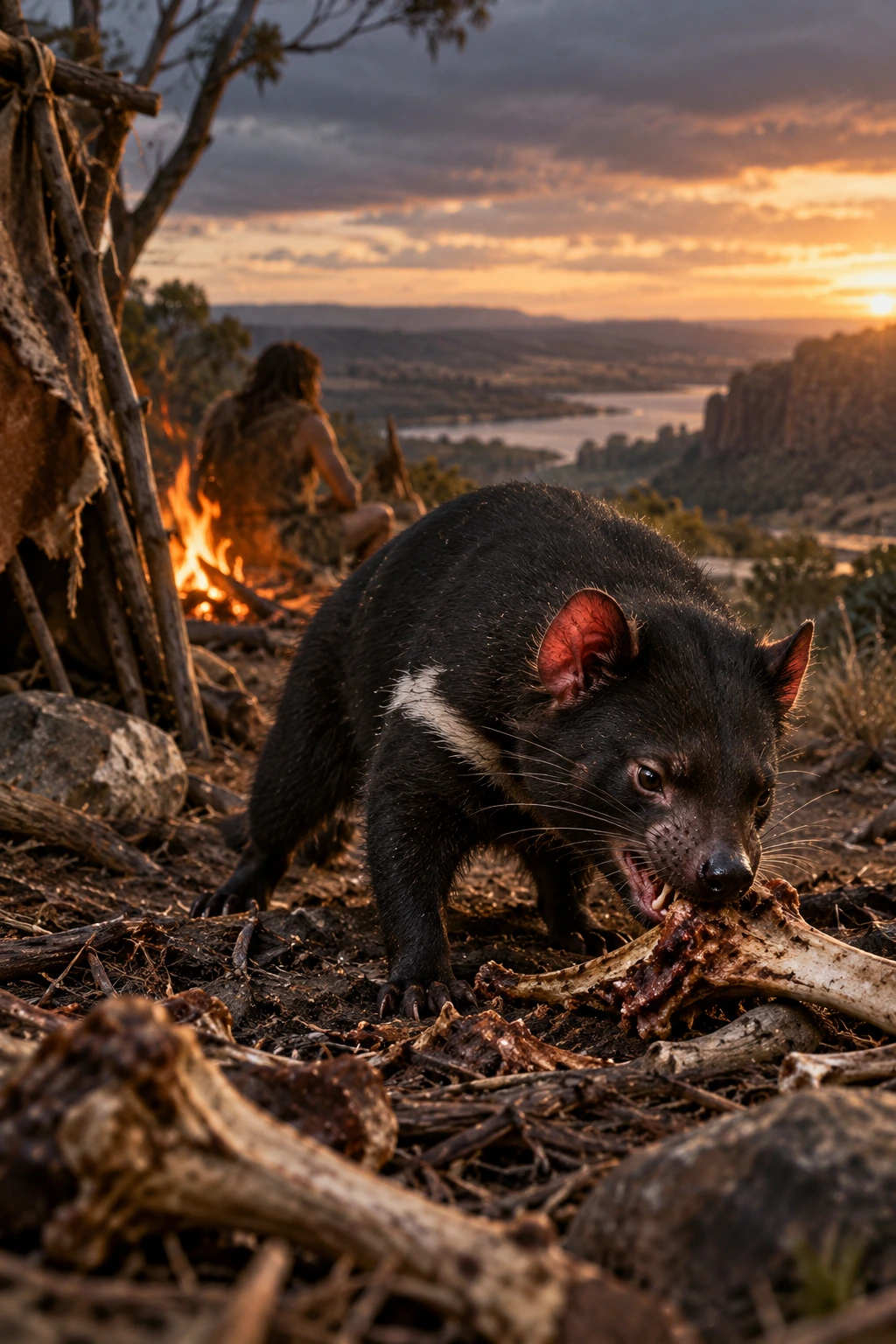
Photorealistic reconstruction of a Tasmanian devil scavenging near a prehistoric human camp on mainland Australia
One Last Thing

Tasmania’s devils once weren’t Tasmanian

Fossil evidence from Western Australia shows Tasmanian devils lived on mainland Australia alongside humans for tens of thousands of years. They disappeared from the mainland roughly 3,000 years ago.

Which means there was once a perfectly normal Australian evening where:

human throws bones away → darkness arrives → devil comes to clean up dinner.

Prehistory gets much better when you stop thinking of it as dates and start imagining Tuesday night.

WEEKLY Ink.
Issue 001 · End
Image Credits
  • Timothydotuns / Wikimedia Commons — CC BY-SA 4.0 · source
  • LRO team / NASA — Public domain (NASA) · source
  • NASA Earth Observatory / Joshua Stevens — Public domain (NASA) · source

External Creative Commons and public-domain images retain their required attribution and provenance. Weekly Ink original illustrations and reconstructions are produced for the issue.